
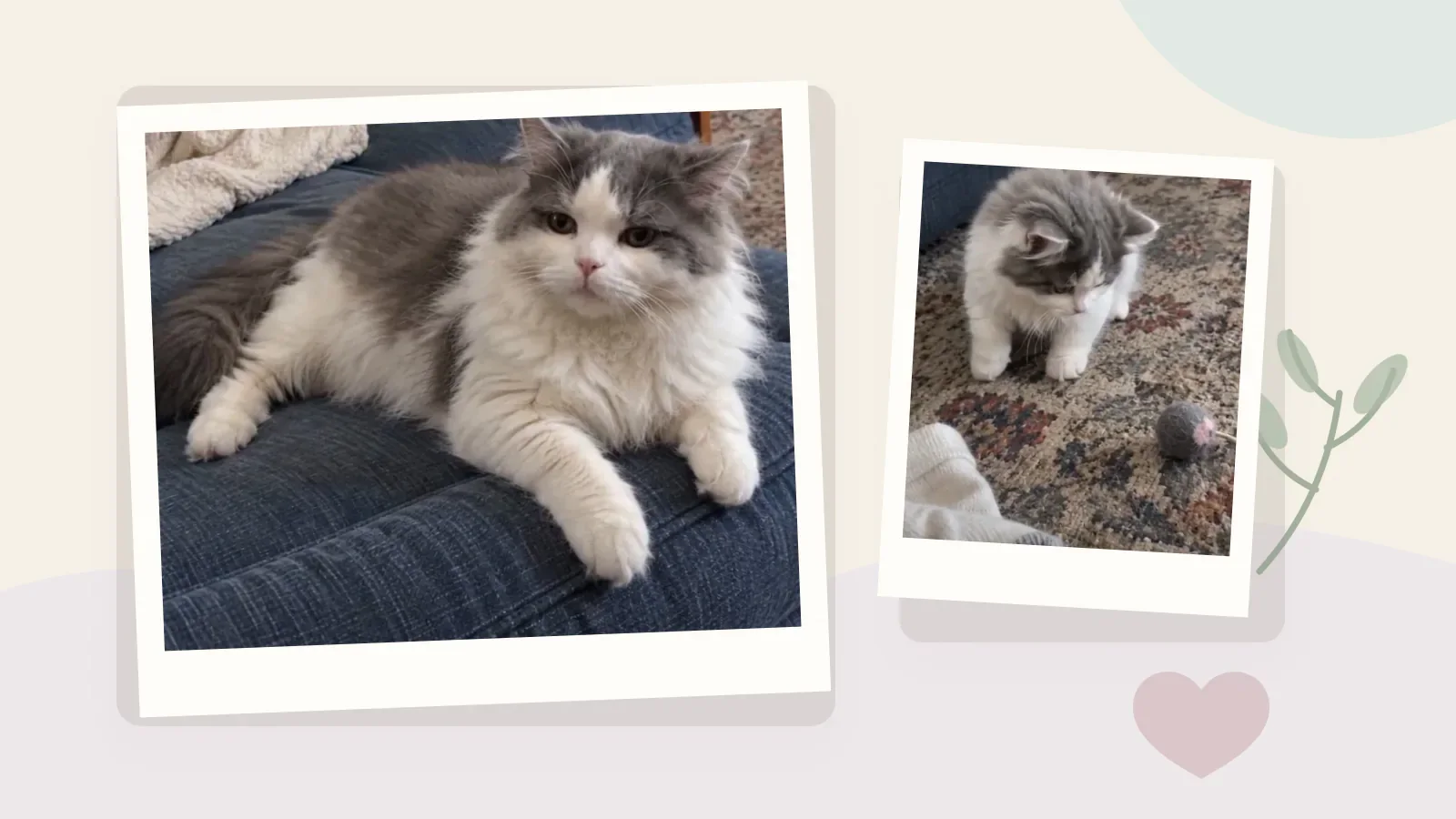
After your pet dies, you do not need to decide what the loss means or create the perfect memorial. In the first hours, focus on the next practical step, ask another person to help if you can, and protect the photos, notes, and small details you may want later.
Grief can make simple choices feel unexpectedly difficult. A short list is enough.
Take care of the immediate practical decisions
If the death happened at a veterinary clinic, the team can explain the available next steps. If it happened at home, contact your veterinarian or an appropriate local pet aftercare provider for guidance. Rules and services vary by location, so use a trusted local source rather than relying on a generic checklist online.
You may need to decide about burial, cremation, keepsakes, or transport. Ask for the options in writing if it is hard to absorb them. It is also reasonable to ask a friend or family member to make calls, take notes, or be present while you choose.
Tell one person what happened
You do not need to make a broad announcement. Tell one person who will understand that this was a real relationship and a real loss.
A useful message can be very simple:
They died today. I do not need you to fix anything, but I would like some company.
If children or other household members were close to the pet, use clear language and give them room to respond differently. There is no single correct level of emotion and no required schedule for feeling better.
Protect the original photos before organizing them
Do not begin by deleting duplicates or choosing the one image that must represent an entire life. Start by making a safe copy of the originals.
You can:
- Create one album without moving or deleting the source files.
- Back up the full-resolution images somewhere outside the phone.
- Save videos with sound, not only still frames.
- Ask family members to share images you may not have seen.
- Keep screenshots of meaningful messages or adoption records if they matter to you.
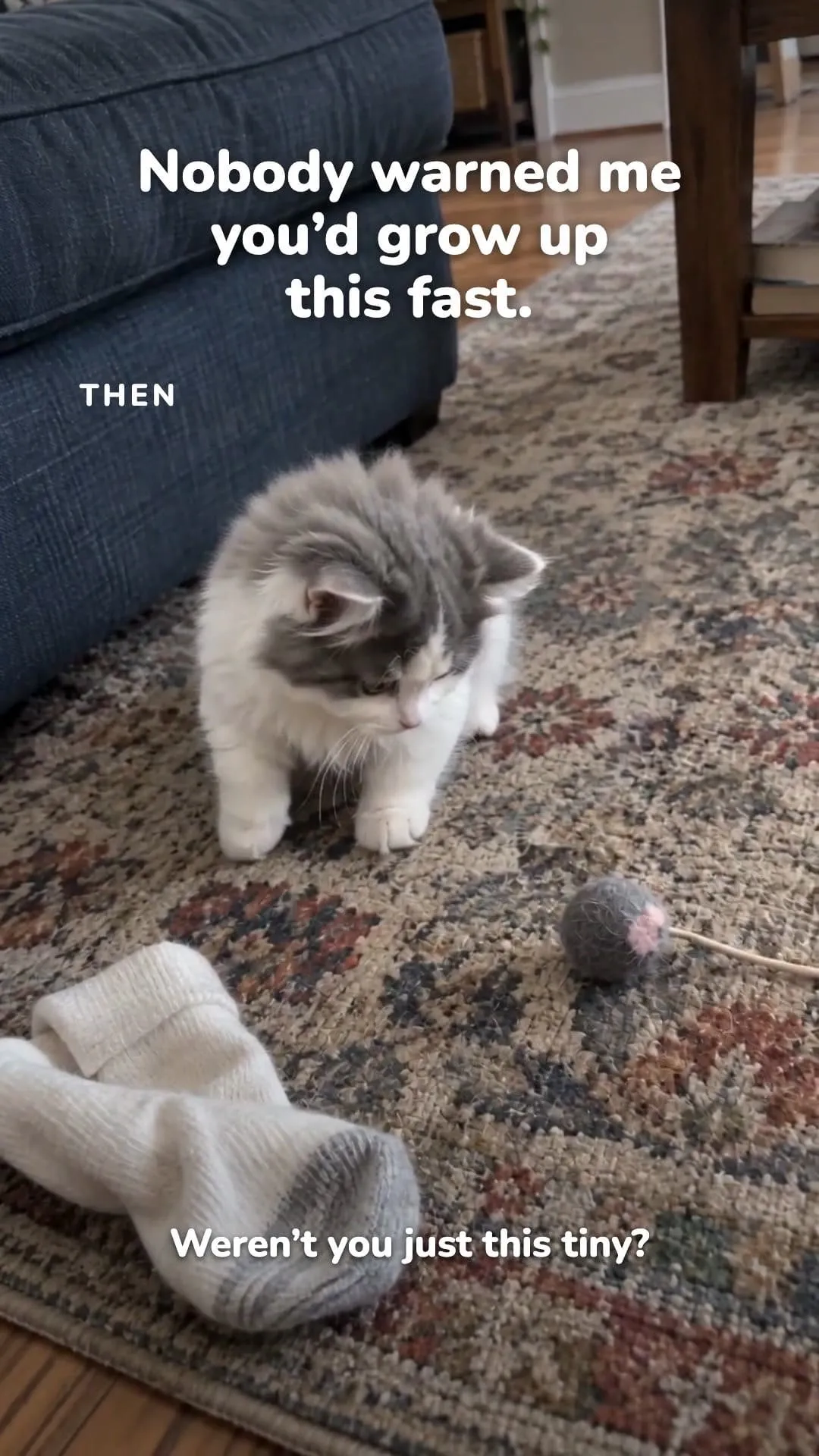
An everyday picture can hold details that become more important later: the scale of the body, the room, the toy, and the beginning of a routine.
Write down the details photographs cannot keep
Memory is larger than a camera roll. Write a few sentences about things that may be difficult to see in a picture:
- the sound of their footsteps;
- where they waited at a particular time of day;
- the strange thing they were afraid of;
- the nickname that never appeared on official records;
- the way their fur, ears, paws, or collar felt;
- the habit that was annoying then and precious now.
You do not need to write a finished tribute. Fragments are useful. A note made today can preserve a detail that would otherwise fade quietly.
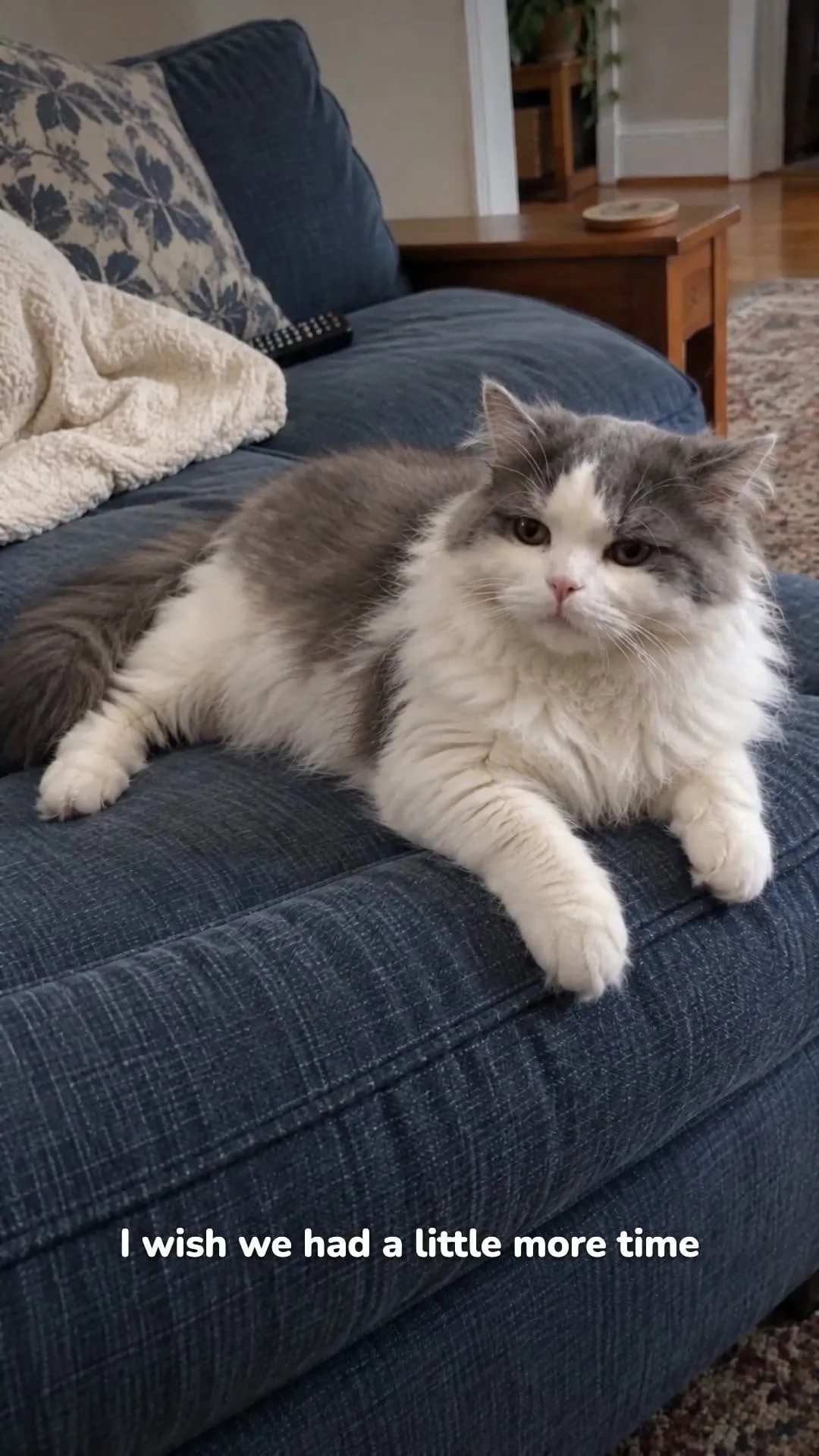
A later photograph can show how much changed while the surroundings reveal what stayed familiar.
Choose a memorial that matches how you remember
Some people want a physical object. Others prefer a private album, a shared page, a journal, a planted space, a donation, or a recurring day to look through photos. None is more legitimate because it is permanent, public, expensive, or elaborate.
The most useful memorial often matches the form of the memory:
- use a photo book when the visual timeline matters;
- use writing when stories and routines matter;
- use video when movement and sound matter;
- use a small object when touch and place matter;
- use a digital companion when gentle, ongoing presence matters.
You can also do nothing formal now. Saving the source material gives you the option to decide later.
If you want an ongoing digital presence
Some people want their memorial to stay still. Others find meaning in returning to it as part of an ordinary routine.
PetPip—made by the team publishing this article—can use a photo or drawing as the starting point for a personal screen companion you can hatch, care for, and watch grow. It is a creative interpretation, not a reconstruction of the animal, and it should sit beside the original photos rather than replace them.
This option will not suit everyone. It is not grief treatment, and a digital companion cannot replace a living pet. Its value is quieter: it can give one familiar image a small continuing place in daily life.
Let the timeline be yours
There is no deadline for sorting belongings, making a tribute, adopting again, or feeling ready to look at photos. Grief can change from day to day and can return around routines, anniversaries, or unexpected reminders.
If the loss leaves you unable to stay safe or manage basic daily needs, contact someone you trust and seek appropriate professional or crisis support where you live. Asking for help does not make the bond less personal; it recognizes how much the relationship mattered.
For now, one practical step is enough. Make a copy of the photos. Write down one habit. Tell one person. The larger memorial can wait.